Back to the main page Back to category Electric Scooters
watch details
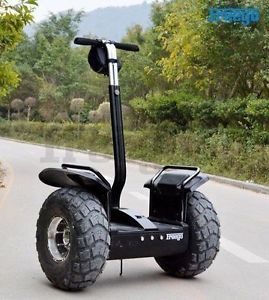
FreeGo® F-3, 2-Wheel, Self-Balancing, Electric, Personal Mobility Vehicle, PT
Estimated price for orientation: 2 195 $
Category: Electric Scooters
Class:
Description Brand: FreeGo Wattage: 2000W / 1000W per wheel Model: F-3 Country/Region of Manufacture: China MPN: Does not apply UPC: Does not apply Color: Black
Our Services We offer one year warranty on our balance scooter from the date of purchase, during this time if any main parts are broken, they will be replaced free of charge. SpecificationsBecome familiar with the regulations in your stateThe FreeGo® Personal Transporter (PT) complies with all Federal product standards and applicable safety standards requirements. FreeGo PTs may be used in all 50 states on private property with the permission of the property owner. As of July 2008, 43 states and the District of Columbia have enacted legislation to allow use of PTs on sidewalks, bike paths, and certain roads. The laws differ from state to state, so it is important that potential purchasers and PT users carefully review their state regulations and comply with any special requirements. (Many of these laws use the term "Electric Personal Assistive Mobility Device" or "Personal Motorized Mobility Device", which are generally defined so as to include FreeGo cases, state legislation gives local authorities the option of enacting additional laws about PT use. FreeGo® recommends that potential purchasers and users check with to identify and comply with regulations in their town or city.North AmericaCanadaRestrictions on motorized vehicle use are set by provinces individually. In Alberta, Segways cannot be driven on public roads including sidewalks abutting public roads. Segways cannot be driven on city-owned bicycle paths in Calgary. Segways are allowed on private land with the landowner's permission. (Some malls allow their use In British Columbia, Segways cannot legally be operated on B.C. roads or on sidewalks because they cannot be licensed or insured as a vehicle in B.C. In Ontario, the Ministry of Transportation started a pilot program allowing Segways to be used by people 14 years or older with a disability, Canada Post door-to-door delivery personnel, and police officers. It was originally planned to end on October 19, 2011, but was extended by two years, and then extended again an additional five years (to October 19, 2018), due to limited participation. Prior to the end of the pilot program, the Ministry of Transportation will assess the data and information gathered from the pilot decide whether to allow Segways and how to legislate them.United StatesThe company has challenged bans and sought exemption from sidewalk restrictions in over 30 states. The Segway PT has been banned from use on and in public transportation in a few , often because it is not classified as a device used for medical purposes. Advocacy groups for pedestrians and the blind in the US have been critical of Segway PT use: America Walks and the oppose allowing people, even those with disabilities, to drive the Segway PT on sidewalks and have actively lobbied against any such legislation. Today, Segways are allowed on sidewalks in most states, though local municipalities may forbid them. Many states also allow them on bicycle lanes or on roads with speed limits of up to 25 mph.In 2011, the U.S. government Department of Justice—amending regulations that implement title II of the (ADA)—ruled that the Segway is an "other power-driven mobility device" and its use must be permitted unless the covered entity can demonstrate that users cannot operate the class of devices in accordance with legitimate safety requirements. is a nonprofit organization that provide Segway PTs to the men and women of the United States military whose service in Operations and resulted in permanent disability and difficulty walking.San FranciscoIn November 2002, before it was widely available, the city of San Francisco banned the Segway PT from citing safety concerns. However, a number of Segway Tour operations use them in cycle lanes and designated trails.Washington, D.C.In September 2010, Dr. Mary Pat McKay, a professor of emergency medicine and public health at George Washington University, issued a statement that injuries from the transporters were becoming both more common and more serious. McKay's case review in the Annals of Emergency Medicine noted 41 Segway injuries between April 2005 and November 2008 among GWU emergency room patients. The District of Columbia categorizes Segways as a "personal mobility device" which means Segway users follow D.C.'s bicycle laws, which do not require Segway users to wear helmets and other protective gear. Users are unable to wear headphones with the exception of hearing aids or other devices that only require the use of one ear. Accidents have continued to occur in the District of Columbia, including a June 2012 incident involving a Dallas, Texas high school student who lost control of his Segway after fainting during a commercially operated Segway tour. Pursuant to the District's Code, Segways are prohibited on sidewalks within the Central Business District—bounded by 23rd Street NW to the west, Massachusetts Avenue to the north, Second Street NE to the east, and D Street to the south—unless operated by a person with a disabilityDisneyIn February 2004, banned Segway PTs from its theme parks, stating they had not been approved by the FDA as medical devices.In the same month, Disney began offering Segway tours of its theme park. In early August 2007, Disney began offering a similar guided tour in its park in California.
Description
| Brand: | FreeGo | Wattage: | 2000W / 1000W per wheel |
| Model: | F-3 | Country/Region of Manufacture: | China |
| MPN: | Does not apply | UPC: | Does not apply |
| Color: | Black |
Our Services We offer one year warranty on our balance scooter from the date of purchase, during this time if any main parts are broken, they will be replaced free of charge.
SpecificationsBecome familiar with the regulations in your stateThe FreeGo® Personal Transporter (PT) complies with all Federal product standards and applicable safety standards requirements. FreeGo PTs may be used in all 50 states on private property with the permission of the property owner. As of July 2008, 43 states and the District of Columbia have enacted legislation to allow use of PTs on sidewalks, bike paths, and certain roads. The laws differ from state to state, so it is important that potential purchasers and PT users carefully review their state regulations and comply with any special requirements. (Many of these laws use the term "Electric Personal Assistive Mobility Device" or "Personal Motorized Mobility Device", which are generally defined so as to include FreeGo cases, state legislation gives local authorities the option of enacting additional laws about PT use. FreeGo® recommends that potential purchasers and users check with to identify and comply with regulations in their town or city.North America
United StatesThe company has challenged bans and sought exemption from sidewalk restrictions in over 30 states. The Segway PT has been banned from use on and in public transportation in a few , often because it is not classified as a device used for medical purposes. Advocacy groups for pedestrians and the blind in the US have been critical of Segway PT use: America Walks and the oppose allowing people, even those with disabilities, to drive the Segway PT on sidewalks and have actively lobbied against any such legislation. Today, Segways are allowed on sidewalks in most states, though local municipalities may forbid them. Many states also allow them on bicycle lanes or on roads with speed limits of up to 25 mph.In 2011, the U.S. government Department of Justice—amending regulations that implement title II of the (ADA)—ruled that the Segway is an "other power-driven mobility device" and its use must be permitted unless the covered entity can demonstrate that users cannot operate the class of devices in accordance with legitimate safety requirements. is a nonprofit organization that provide Segway PTs to the men and women of the United States military whose service in Operations and resulted in permanent disability and difficulty walking.San FranciscoIn November 2002, before it was widely available, the city of San Francisco banned the Segway PT from citing safety concerns. However, a number of Segway Tour operations use them in cycle lanes and designated trails.Washington, D.C.In September 2010, Dr. Mary Pat McKay, a professor of emergency medicine and public health at George Washington University, issued a statement that injuries from the transporters were becoming both more common and more serious. McKay's case review in the Annals of Emergency Medicine noted 41 Segway injuries between April 2005 and November 2008 among GWU emergency room patients. The District of Columbia categorizes Segways as a "personal mobility device" which means Segway users follow D.C.'s bicycle laws, which do not require Segway users to wear helmets and other protective gear. Users are unable to wear headphones with the exception of hearing aids or other devices that only require the use of one ear. Accidents have continued to occur in the District of Columbia, including a June 2012 incident involving a Dallas, Texas high school student who lost control of his Segway after fainting during a commercially operated Segway tour. Pursuant to the District's Code, Segways are prohibited on sidewalks within the Central Business District—bounded by 23rd Street NW to the west, Massachusetts Avenue to the north, Second Street NE to the east, and D Street to the south—unless operated by a person with a disabilityDisneyIn February 2004, banned Segway PTs from its theme parks, stating they had not been approved by the FDA as medical devices.In the same month, Disney began offering Segway tours of its theme park. In early August 2007, Disney began offering a similar guided tour in its park in California.